
Insight_Image_6

How Google Ads help your business grow

Google Ads is an online advertising platform developed by Google that allows businesses to display ads on various Google properties and partner websites. It operates on a pay-per-click (PPC) model, meaning advertisers only pay when users click on their ads.

Here’s a simplified overview of how Google Ads works:


Advertiser Account Setup:

Advertisers create an account on the Google Ads platform and set up their campaign parameters, including budget, target audience, ad format, and bidding strategy.


Keyword Selection:

Advertisers choose relevant keywords related to their products, services, or target audience. These keywords help determine when their ads will be displayed.


Ad Creation:

Advertisers create compelling ad copy, headlines, and display URLs for their ads. They can also include relevant ad extensions, such as call extensions, sitelink extensions, or location extensions, to provide additional information or call-to-action options.


Bidding:

Advertisers set their maximum bid amount, which represents the maximum amount they are willing to pay for a click on their ad. Google Ads uses an auction system to determine which ads are displayed and in what order. The bid amount, along with other factors such as ad quality and relevance, determine the ad’s Ad Rank.


Ad Auction and Ad Rank:

When a user performs a search on Google or visits a partner website, an ad auction takes place. Google evaluates all eligible ads based on their Ad Rank, considering factors like bid amount, ad quality, and expected impact from ad extensions and other ad formats.


Ad Display and Placement:

Based on the ad auction results, Google determines which ads will be displayed and where they will appear. Ads can appear at the top or bottom of search engine result pages (SERPs), on relevant websites within the Google Display Network, or in mobile apps.


User Interaction and Clicks:

When a user sees an ad and finds it relevant, they may click on it to access the advertiser’s landing page. Advertisers are charged only when a user clicks on their ad, hence the pay-per-click model.


Performance Monitoring and Optimization:

Advertisers track the performance of their ads using Google Ads’ reporting tools. They can analyze metrics like click-through rates, conversions, and return on ad spend. Based on these insights, advertisers can make data-driven decisions and optimize their campaigns by adjusting bids, refining keywords, improving ad copy, or testing new ad variations.


Google Ads provides advertisers with a highly targeted and measurable advertising platform, allowing businesses to reach their target audience effectively and drive relevant traffic to their websites or landing pages. By continually refining their campaigns and optimizing their ads, advertisers can maximize their return on investment and achieve their advertising goals.

Insight_Image_7

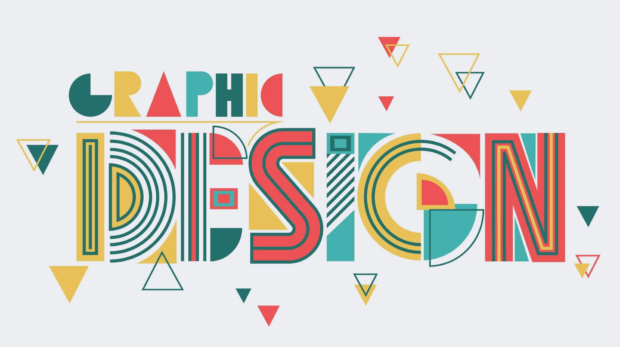
Unlocking the Power of Graphic Design Principles with Fuzebox Media: Creating Stunning Visual Experiences

In today’s visually-driven world, graphic design plays a crucial role in capturing attention, conveying messages, and creating memorable brand experiences. At Fuzebox Media, we understand the power of graphic design principles in crafting stunning visual representations that resonate with audiences. Let’s explore how Fuzebox Media leverages these principles to create exceptional designs and help businesses stand out in a crowded marketplace.


Balance:

Balance is a fundamental principle of graphic design that creates visual stability and harmony. Fuzebox Media ensures that our designs achieve a sense of equilibrium by distributing visual elements, such as text, images, and white space, in a balanced manner. Whether it’s through symmetrical balance, where elements are mirrored, or asymmetrical balance, where elements are visually weighted, we create designs that feel pleasing to the eye and evoke a sense of professionalism and confidence.


Contrast:

Contrast adds visual interest and helps highlight important elements in a design. Fuzebox Media utilizes contrast to make key information or visuals stand out. Whether it’s through the use of contrasting colors, sizes, fonts, or textures, we create designs that grab attention and guide the viewer’s focus to the most critical elements. Contrast is a powerful tool in creating visual hierarchy and ensuring that the key messages are effectively communicated.


Typography:

Typography plays a significant role in graphic design, as it sets the tone, conveys the brand’s personality, and enhances readability. Fuzebox Media carefully selects fonts that align with the brand’s identity, ensuring they are legible and visually appealing. We pay attention to factors such as font styles, sizes, spacing, and hierarchy to create designs that are both aesthetically pleasing and easy to read. By leveraging typography effectively, we enhance the overall impact of the design and reinforce the brand’s messaging.


Color Theory:

Colors evoke emotions, convey meaning, and establish brand recognition. Fuzebox Media employs color theory to create designs that resonate with the target audience and reflect the brand’s identity. We carefully select color palettes that align with the brand’s personality, considering factors such as color psychology, cultural associations, and color harmony. By leveraging colors effectively, we create designs that evoke the desired emotions, capture attention, and leave a lasting impression.


Unity:

Unity ensures that all elements within a design work together cohesively to create a unified and harmonious visual experience. Fuzebox Media pays attention to consistency in design elements, such as styles, colors, and imagery, to establish a strong visual identity for the brand. By maintaining visual continuity across various touchpoints, we create a sense of professionalism and build brand recognition. Unity is key to creating a cohesive and memorable brand experience.


Simplicity:

Simplicity is often the key to impactful design. Fuzebox Media embraces the principle of simplicity by removing unnecessary clutter and focusing on essential elements. We believe in communicating messages concisely and effectively, allowing the design to breathe and resonate with the viewer. By simplifying complex ideas and distilling them into visually appealing designs, we ensure that the message is easily understood and remembered.