
Insight_Image_1

WhatsApp Marketing: Unleashing the Potential of Messaging Platforms

Introduction: As messaging apps continue to dominate the digital communication landscape, businesses are recognizing the immense potential of WhatsApp as a marketing tool. With its extensive user base and powerful messaging features, WhatsApp is emerging as a valuable platform for businesses to connect with customers, enhance engagement, and drive conversions. In this article, we delve into the world of emerging WhatsApp marketing, exploring its benefits, strategies, and the impact it is making in the marketing realm.

  1. Direct and Personalized Communication: WhatsApp offers businesses a direct and personalized channel to reach their target audience. With its end-to-end encryption and one-to-one messaging capabilities, businesses can communicate with customers in a secure and private manner. This enables personalized interactions, allowing brands to provide tailored customer support, share exclusive offers, send transactional updates, and build stronger relationships.
  2. Chatbots for Automated Interactions: Chatbots are revolutionizing customer service and engagement on WhatsApp. Businesses can deploy chatbots to automate responses to common queries, provide instant support, and guide customers through their buying journey. By integrating AI-powered chatbots, brands can ensure timely and efficient interactions, enhancing customer satisfaction and streamlining communication processes.
  3. Rich Media and Multimedia Engagement: WhatsApp enables businesses to go beyond plain text messages by incorporating rich media and multimedia elements. Brands can share images, videos, audio files, PDFs, and even location pins to provide a more immersive and engaging experience for customers. This capability opens up endless possibilities for showcasing products, providing tutorials, sharing testimonials, and offering visually appealing content.
  4. Group Chats for Community Building: WhatsApp group chats can be a powerful tool for building communities and fostering engagement. Businesses can create groups centered around specific interests, customer segments, or loyalty programs. These groups facilitate discussions, allow members to share experiences and insights, and provide a platform for exclusive updates and offers. By nurturing these communities, brands can cultivate brand advocates and loyal customers.
  5. WhatsApp Business API for Scalability: WhatsApp Business API enables larger businesses to scale their WhatsApp marketing efforts. This feature allows businesses to automate conversations, integrate CRM systems, and handle high volumes of customer interactions seamlessly. By leveraging the API, brands can streamline their customer support operations, implement advanced analytics, and deliver personalized experiences at scale.

6. Privacy and Data Security: WhatsApp’s commitment to privacy and data security instills trust among users. With end-to-end encryption and stringent privacy policies, businesses can assure their customers that their information is safe. This trust factor enhances the credibility of businesses using WhatsApp for marketing, fostering stronger customer relationships and brand loyalty.


Insight_Image_2

The Latest Trends and Developments in Social Media

Introduction: Social media continues to evolve at a rapid pace, shaping the way we communicate, connect, and consume information. From new features and algorithm updates to emerging platforms and shifting user behaviors, the social media landscape is always buzzing with activity. In this article, we will explore the latest news and developments in the world of social media, providing insights into the trends that are shaping this dynamic realm.

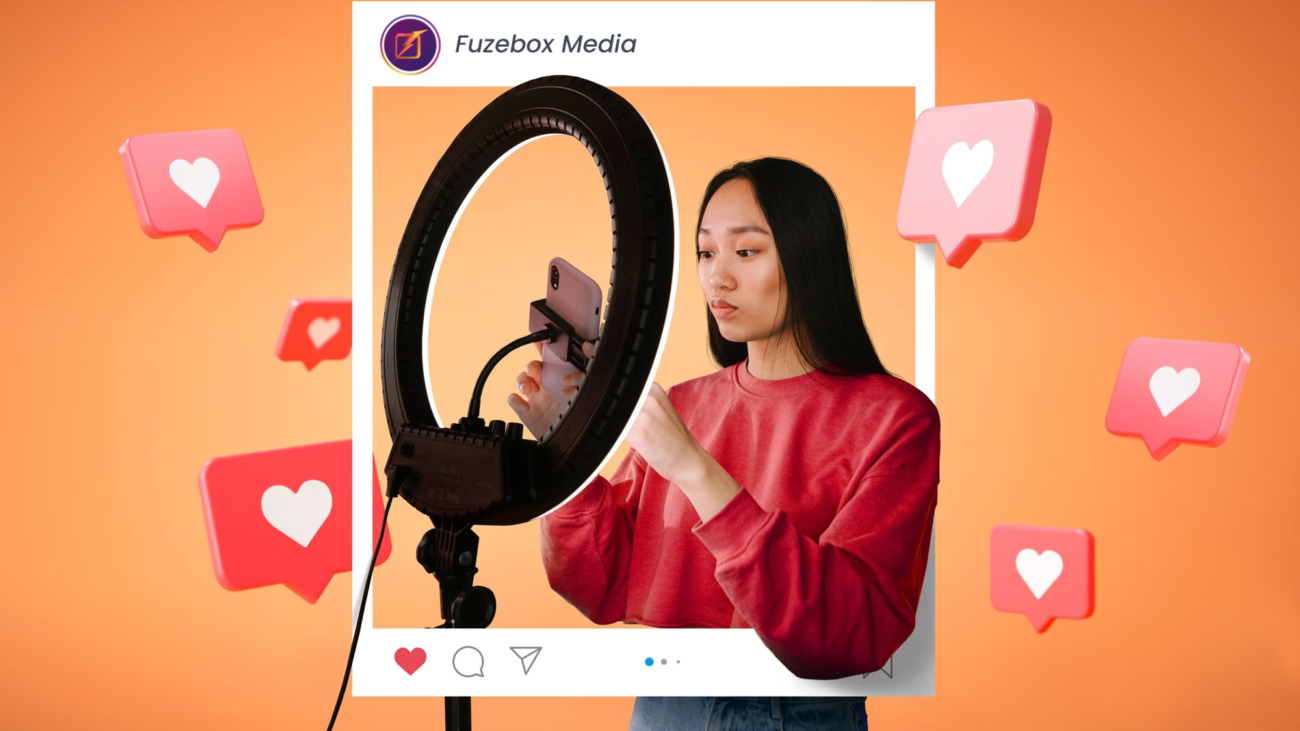
  1. Rise of Video Content: Video content has become the dominant force in social media, capturing users’ attention and driving engagement. Platforms like TikTok, Instagram Reels, and YouTube continue to experience explosive growth, encouraging brands and influencers to adapt their strategies accordingly. As a result, we are witnessing an increased focus on short-form videos, storytelling through video formats, and live streaming to create authentic connections with audiences.
  2. Ephemeral Content and Stories: The popularity of ephemeral content, such as Snapchat Stories and Instagram Stories, shows no signs of waning. This format allows users and brands to share temporary, engaging content that disappears after a set period, promoting a sense of urgency and FOMO (fear of missing out). Social media platforms are continuously enhancing their stories features, introducing interactive stickers, shoppable tags, and AR filters, providing new opportunities for creative expression and marketing.
  3. Social Commerce on the Rise: Social media platforms are increasingly integrating e-commerce functionalities, blurring the lines between socializing and shopping. Instagram Shopping, Facebook Marketplace, and Pinterest Shopping are just a few examples of how brands can leverage social media to drive sales directly. These features enable users to discover, browse, and purchase products without leaving the platform, creating a seamless shopping experience and unlocking new revenue streams for businesses.
  4. Privacy and User Data Protection: With growing concerns around privacy and data security, social media platforms are under increasing pressure to prioritize user data protection. As a response, platforms have implemented stricter privacy policies, improved transparency, and enhanced user control over data sharing. Measures like end-to-end encryption, two-factor authentication, and clearer data consent mechanisms are being implemented to build trust among users and maintain the integrity of social media platforms.
  5. Influencer Marketing Evolution: Influencer marketing continues to be a powerful tool for brands to reach their target audiences. However, the landscape is evolving, with a shift towards micro-influencers and nano-influencers who have smaller, more niche followings but boast higher engagement rates and authenticity. Additionally, there is a growing emphasis on influencer authenticity, transparency, and alignment with brand values, as consumers seek genuine connections and relatable content from influencers they trust.
Insight_Image_3

The Significance of Brand Guidelines: Establishing a Consistent and Powerful Brand Identity

Introduction:

In the ever-expanding digital landscape, creating a strong and memorable brand identity is crucial for businesses to stand out from the competition. One essential tool for achieving this is a comprehensive set of brand guidelines. Brand guidelines provide a roadmap for consistent visual and verbal communication, ensuring that every touchpoint reflects the essence of the brand. In this blog post, we will explore the importance of brand guidelines and how they contribute to building a powerful and cohesive brand identity.


Maintaining Consistency:

Consistency is key when it comes to establishing a strong brand presence. Brand guidelines serve as a reference point for maintaining visual consistency across various channels, including websites, social media platforms, print materials, and more. From logo usage and color palettes to typography and imagery guidelines, a well-defined set of brand guidelines ensures that every piece of communication aligns with the brand’s unique identity, strengthening brand recognition and recall.


Establishing Brand Identity:

Brand guidelines play a pivotal role in defining and communicating the essence of a brand. They outline the brand’s mission, vision, values, and personality, serving as a guide for both internal teams and external partners. By clearly defining the brand’s voice, tone, and messaging guidelines, brand guidelines empower marketers, designers, and content creators to consistently express the brand’s core attributes, fostering a sense of authenticity and building a lasting emotional connection with the target audience.


Enhancing Brand Trust:

Consistent branding builds trust and credibility among consumers. When customers encounter a brand with a consistent visual identity and messaging, they perceive it as reliable and professional. Brand guidelines ensure that all marketing materials, advertisements, and customer communications maintain a cohesive look and feel, reinforcing the brand’s credibility and building a positive perception among consumers.


Facilitating Collaboration:

Brand guidelines act as a collaborative tool, aligning internal teams and external partners on how to represent the brand effectively. Whether it’s working with advertising agencies, designers, or content creators, brand guidelines provide a shared understanding of the brand’s visual and verbal elements. This alignment fosters a cohesive and unified brand identity across different channels and touchpoints, ensuring a seamless brand experience for customers.


Scalability and Expansion:

As businesses grow and expand, maintaining a consistent brand identity becomes even more critical. Brand guidelines serve as a foundation for scalability, enabling the brand to adapt to new markets, product lines, or communication platforms while maintaining a cohesive brand identity. With clear guidelines in place, businesses can ensure that their brand remains recognizable and relevant, even as they evolve and explore new opportunities.


Protecting Brand Equity:

Brand guidelines act as a safeguard for protecting brand equity. They provide rules and regulations for the usage of the brand’s assets, including logos, trademarks, and visual elements. By defining these guidelines, businesses can maintain control over how their brand is represented and prevent dilution or misuse of their brand assets, protecting the brand’s reputation and value.

Insight_Image_5

Crafting a Memorable Brand Identity with Fuzebox Media: Logo Creation and Theme

A brand’s logo and overall visual theme play a crucial role in establishing its identity and making a lasting impression on customers. At Fuzebox Media, we understand the importance of creating a powerful and memorable brand image. With our expertise in logo creation and theme development, we help businesses stand out in a crowded marketplace. Let’s delve into how Fuzebox Media can elevate your brand through a captivating logo and cohesive visual theme.


Logo Creation:

A well-designed logo is the cornerstone of a strong brand identity. It serves as the visual representation of your business and should be instantly recognizable and reflective of your brand’s personality. At Fuzebox Media, we work closely with you to understand your brand’s values, target audience, and unique selling propositions. Our talented team of designers combines creativity, strategic thinking, and industry knowledge to create a logo that captures the essence of your brand. Whether you’re looking for a sleek and modern design or a playful and vibrant logo, Fuzebox Media ensures that your logo communicates your brand message effectively and leaves a lasting impression on your audience.


Cohesive Visual Theme:

A cohesive visual theme encompasses the overall look and feel of your brand’s visual elements. It includes color palettes, typography, imagery, and graphic styles that harmoniously work together to create a consistent and memorable brand experience. Fuzebox Media understands the importance of a cohesive visual theme in building brand recognition and recall. Our team carefully selects colors, fonts, and imagery that align with your brand’s personality and resonate with your target audience. By maintaining consistency across various touchpoints, such as websites, social media profiles, marketing materials, and packaging, we create a cohesive visual identity that reinforces your brand’s message and builds trust among your customers.


The Power of a Strong Brand Identity:

A thoughtfully designed logo and cohesive visual theme are essential components of a strong brand identity. A well-crafted brand identity sets your business apart from competitors, establishes credibility, and creates a foundation for brand loyalty. With Fuzebox Media as your partner, you can expect a brand identity that captivates your audience, communicates your brand values, and leaves a lasting impression. By creating a cohesive visual language that resonates with your target audience, we help you build a strong brand that stands out in the minds of consumers.


Conclusion:

Logo creation and the development of a cohesive visual theme are integral to building a powerful and memorable brand identity. With Fuzebox Media’s expertise in crafting captivating logos and creating cohesive visual themes, your brand will shine in a competitive marketplace. Our dedicated team of designers will collaborate with you to create a logo that reflects your brand’s essence, while our meticulous attention to detail ensures a consistent visual theme across all brand touchpoints. Let Fuzebox Media help you craft a remarkable brand identity that sets you apart and drives success. Contact us today to get started on your brand journey.

Insight_Image_4

Reels and Shorts: Accelerating Business Growth with Fuzebox Media

In today’s fast-paced digital world, staying ahead of the competition and capturing the attention of your target audience is crucial for business growth. One powerful way to achieve this is by leveraging the popularity of Reels and Shorts, two dynamic video formats that have taken social media by storm. At Fuzebox Media, we understand the potential of these short-form videos and their ability to propel your business forward. Let’s explore how Reels and Shorts can help accelerate your business growth.

  • Engage and Capture Attention:
  • Showcasing Your Products or Services
  • Building Brand Personality
  • Encouraging User-Generated Content
  • Amplifying Reach and Engagement
  • Measuring Success and Iterating

Reels and Shorts are powerful tools for growing your business in today’s digital landscape. At Fuzebox Media, we specialize in creating attention-grabbing and engaging Reels and Shorts that captivate your audience, showcase your products or services, build brand personality, encourage user-generated content, amplify reach and engagement, and drive business growth. With our expertise, you can harness the full potential of Reels and Shorts, making a lasting impact on your target audience and propelling your business to new heights. Contact Fuzebox Media today to get started on your Reels and Shorts journey.

Insight_Image_6

How Google Ads help your business grow

Google Ads is an online advertising platform developed by Google that allows businesses to display ads on various Google properties and partner websites. It operates on a pay-per-click (PPC) model, meaning advertisers only pay when users click on their ads.

Here’s a simplified overview of how Google Ads works:


Advertiser Account Setup:

Advertisers create an account on the Google Ads platform and set up their campaign parameters, including budget, target audience, ad format, and bidding strategy.


Keyword Selection:

Advertisers choose relevant keywords related to their products, services, or target audience. These keywords help determine when their ads will be displayed.


Ad Creation:

Advertisers create compelling ad copy, headlines, and display URLs for their ads. They can also include relevant ad extensions, such as call extensions, sitelink extensions, or location extensions, to provide additional information or call-to-action options.


Bidding:

Advertisers set their maximum bid amount, which represents the maximum amount they are willing to pay for a click on their ad. Google Ads uses an auction system to determine which ads are displayed and in what order. The bid amount, along with other factors such as ad quality and relevance, determine the ad’s Ad Rank.


Ad Auction and Ad Rank:

When a user performs a search on Google or visits a partner website, an ad auction takes place. Google evaluates all eligible ads based on their Ad Rank, considering factors like bid amount, ad quality, and expected impact from ad extensions and other ad formats.


Ad Display and Placement:

Based on the ad auction results, Google determines which ads will be displayed and where they will appear. Ads can appear at the top or bottom of search engine result pages (SERPs), on relevant websites within the Google Display Network, or in mobile apps.


User Interaction and Clicks:

When a user sees an ad and finds it relevant, they may click on it to access the advertiser’s landing page. Advertisers are charged only when a user clicks on their ad, hence the pay-per-click model.


Performance Monitoring and Optimization:

Advertisers track the performance of their ads using Google Ads’ reporting tools. They can analyze metrics like click-through rates, conversions, and return on ad spend. Based on these insights, advertisers can make data-driven decisions and optimize their campaigns by adjusting bids, refining keywords, improving ad copy, or testing new ad variations.


Google Ads provides advertisers with a highly targeted and measurable advertising platform, allowing businesses to reach their target audience effectively and drive relevant traffic to their websites or landing pages. By continually refining their campaigns and optimizing their ads, advertisers can maximize their return on investment and achieve their advertising goals.